
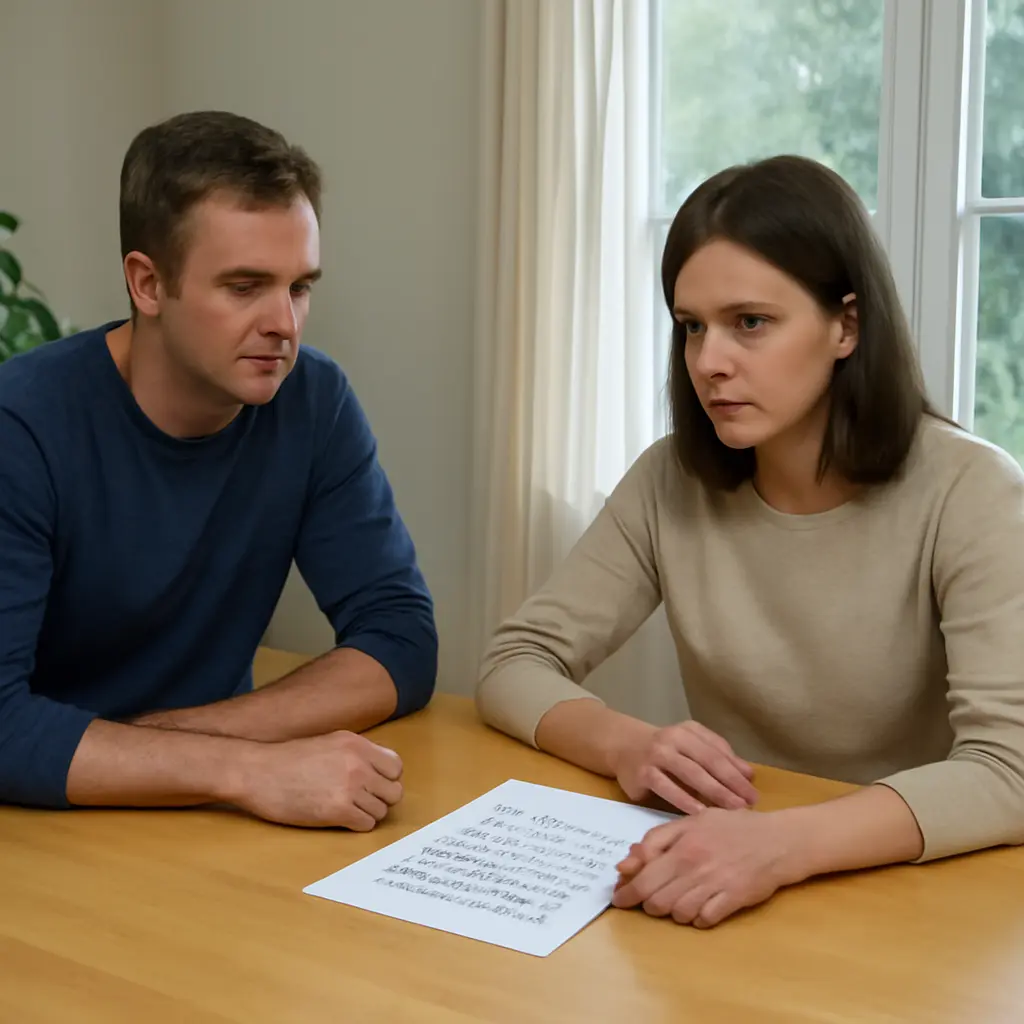
Autism can shape how a person experiences touch, communicates desire, and feels comfortable with intimacy—but it does not dictate whether someone wants affection, sex, or a romantic partnership. The “intimacy gap” is not a clinical diagnosis; it is a useful way to describe a mismatch that can arise when partners have different sensory needs, communication styles, or expectations. Research suggests autistic people have diverse romantic and sexual lives, while sensory sensitivities and communication barriers may affect some relationships. Understanding those differences can help partners build physical connection through explicit consent, practical accommodations, and curiosity rather than assumptions.
Autism and physical intimacy: defining the intimacy gap
Autism spectrum disorder is a neurodevelopmental condition associated with differences in social communication and interaction, alongside restricted or repetitive patterns of behavior, interests, or activities. The U.S. Centers for Disease Control and Prevention (CDC) emphasizes that autism is a spectrum: abilities, support needs, and individual experiences vary widely. Physical intimacy, meanwhile, can include anything from holding hands and cuddling to sexual activity, and each person defines its meaning differently.
In a partnership, an intimacy gap can describe a difference between what one person wants or finds comfortable and what the other expects. It may involve how often partners seek touch, which kinds of touch feel good, how desire is communicated, or whether a person needs time and predictability before intimacy. This is a descriptive relationship term, not a measure of love, attraction, or relationship quality.
The topic matters because inaccurate assumptions can make ordinary differences feel like rejection or failure. A 2023 CDC report estimated that about 1 in 36 U.S. 8-year-old children had been identified with autism in 2020; this is a childhood prevalence estimate, not a statistic about autistic adults or their relationships. It nevertheless highlights why informed, respectful conversations about autistic people’s lives—including adulthood, relationships, and sexuality—are important.
Sensory processing and the autism intimacy gap
Sensory processing refers to how a person notices, interprets, and responds to sensory input such as pressure, temperature, sound, smell, and movement. The National Institute for Health and Care Excellence (NICE) describes sensory sensitivities as relevant features to consider when supporting autistic people, while noting that needs differ from person to person. In intimate situations, the same touch may feel calming to one partner and uncomfortable or overwhelming to another.
Sensory preferences are not a universal autism trait in any single form. Some people seek firm pressure but dislike light touch; others prefer limited contact, need to control when touch begins, or find certain textures, scents, or sounds distracting. Fatigue, stress, medication, health, and the environment can also change what feels manageable. These differences are best understood through an individual’s own descriptions, not a checklist applied to all autistic people.
Touch, pressure, and predictability
Predictable touch is contact that is expected, clearly signaled, and easy to pause or change. A partner might ask before initiating a hug, agree on preferred pressure, or establish a simple signal for “stop” or “lighter.” These practices can support comfort without implying that affection must be scripted or that spontaneous touch is inherently unwelcome. The useful question is not “Do autistic people like touch?” but “What kinds of touch does this person want, and under what conditions?”
Sensory setting and recovery time
The setting can affect physical connection. Bright light, background noise, strong fragrances, temperature, or interruptions may compete for attention or increase discomfort. Partners can experiment with quieter surroundings, softer lighting, familiar clothing or bedding, and a planned transition into or out of closeness. A person may also need time alone afterward to regulate; that need does not automatically signal dissatisfaction with their partner.
Sensory accommodations address one part of intimacy. Because comfort also depends on understanding and communication, partners may next need to make expectations and consent unusually clear.
Communication, consent, and autistic partnership
Communication differences can influence how partners express attraction, initiate touch, interpret indirect cues, or discuss boundaries. The National Autistic Society notes that autistic communication may be direct and literal, and that social communication can differ between autistic and non-autistic people. These are broad descriptions, not rules for every individual. Many couples find that relying on hints or assumed meanings creates avoidable uncertainty.
Consent is an ongoing, voluntary agreement to a particular activity. It can be communicated verbally or through another mutually understood method, and it can be withdrawn at any time. Clear questions—such as “Would you like a hug?” or “Do you want to continue?”—can make consent easier to communicate for any couple. A person’s diagnosis does not determine their capacity to consent; consent must be assessed in the specific situation, with attention to understanding, freedom from pressure, and the ability to say no.
Direct requests and shared vocabulary
A shared vocabulary turns vague expectations into negotiable choices. Partners can discuss preferred forms of affection, ways to initiate, signals for pausing, and whether they want verbal check-ins. Written notes or a conversation outside an intimate moment may help people who need extra processing time. These tools are useful when both partners choose them; they should not become a demand that one person justify every boundary.
Desire, initiation, and different interpretations
Partners may differ in how they experience or express sexual desire. One person might prefer a direct invitation, while another expects flirtation or spontaneous initiation. A missed cue is not proof of indifference, and a request for clarity is not a failure of romance. Agreeing on ways to initiate—while leaving room to decline—can reduce the risk that one partner feels pressured and the other feels unwanted.
Research supports the need to avoid stereotypes. A 2021 review by Pecora and colleagues in the journal Sexuality and Disability found that research on autistic people’s sexuality was limited and that experiences varied. Studies of sexuality and relationships cannot establish a single “autistic” pattern of desire or partnership. Individual conversations therefore matter more than generalizations, and communication strategies work best when they lead to practical sensory and relationship adjustments.
Autism intimacy gap: practical ways to build connection
Building intimacy does not require either partner to override discomfort or perform a stereotyped version of romance. It means identifying forms of connection that are genuinely wanted by both people. The following approaches can help partners test changes, reflect on what works, and revise agreements as needs change.
Map preferences without turning them into rules
Partners can separately list kinds of touch or affection they enjoy, tolerate, or prefer to avoid, then compare notes without judgment. The list might cover hand-holding, cuddling, kissing, sexual touch, timing, pressure, and settings. Preferences are not permanent contracts: either partner can update them, and liking a form of touch in one context does not mean agreeing to it in another.
Plan connection and protect the right to change course
Scheduling time for closeness can reduce uncertainty for people who value predictability, while still allowing intimacy to be affectionate and meaningful. A plan should be an invitation, not an obligation. Couples can agree that scheduled time may involve conversation, cuddling, or simply being together—and that either person may change plans or stop without punishment.
Use professional support when it fits
A couples therapist, sex therapist, or clinician familiar with autism may help partners translate recurring misunderstandings into workable agreements. Support should be affirming, attentive to sensory and communication needs, and respectful of each person’s autonomy. If pain, sudden changes in desire, distress, trauma, or medication effects are involved, a qualified health professional can help assess those factors. Therapy is an option, not a prerequisite for a valid relationship.
For example, one partner may interpret a need for quiet after work as rejection, while the autistic partner may be managing sensory overload and still want connection later. A practical agreement could be a brief greeting without touch, a period of decompression, and a later check-in about whether either person wants closeness. This is an illustrative scenario, not a research case study; its value lies in showing how naming needs can replace mind-reading.
Conclusion: closing the autism intimacy gap through mutual understanding
Autism can influence physical connection through sensory processing, communication preferences, predictability, and individual patterns of desire, but it does not define a person’s capacity for affection or partnership. The intimacy gap is best treated as a negotiable difference—not a diagnosis or evidence that one partner is deficient. Clear consent, direct communication, adaptable environments, and respect for changing boundaries can help couples build forms of closeness that work for both people.
For further learning, consult reputable autism and sexual-health resources, and seek an affirming professional when a couple wants support. Most importantly, ask rather than assume: listen to the answer, make room for “no” and “not now,” and treat each partner’s comfort as part of intimacy itself.
Sources: Centers for Disease Control and Prevention, “Autism Spectrum Disorder (ASD),” https://www.cdc.gov/autism/data-research/index.html; Centers for Disease Control and Prevention, “Prevalence and Characteristics of Autism Spectrum Disorder Among Children Aged 8 Years—Autism and Developmental Disabilities Monitoring Network, 11 Sites, United States, 2020,” https://www.cdc.gov/mmwr/volumes/72/ss/ss7202a1.htm; National Institute for Health and Care Excellence, “Autism spectrum disorder in adults: diagnosis and management,” https://www.nice.org.uk/guidance/cg142; National Autistic Society, “Communication,” https://www.autism.org.uk/advice-and-guidance/topics/communication; Pecora, L. A., Hancock, G. I., Hooley, M., Demmer, D. H., Attwood, T., Mesibov, G. B., and Stokes, M. A., “Sexuality and Gender Issues in Individuals with Autism Spectrum Disorder,” Sexuality and Disability, 2021, https://doi.org/10.1007/s11195-020-09644-5.


